How Does a Solar Mounting System Affect the Performance of a PV Project?
When evaluating a photovoltaic (PV) project, most investors and installers focus heavily on solar panel efficiency, inverter performance, and system capacity. Yet one critical component that quietly dictates long-term project performance, stability is easily overlooked: the solar mounting system.
Often described as the “backbone” of any solar installation, a solar mounting system does more than merely fix panels in place. It shapes sunlight absorption, resists extreme weather, maintains structural stability, reduces operational losses, and determines whether a PV project can deliver consistent performance over its 25–30 year lifespan.
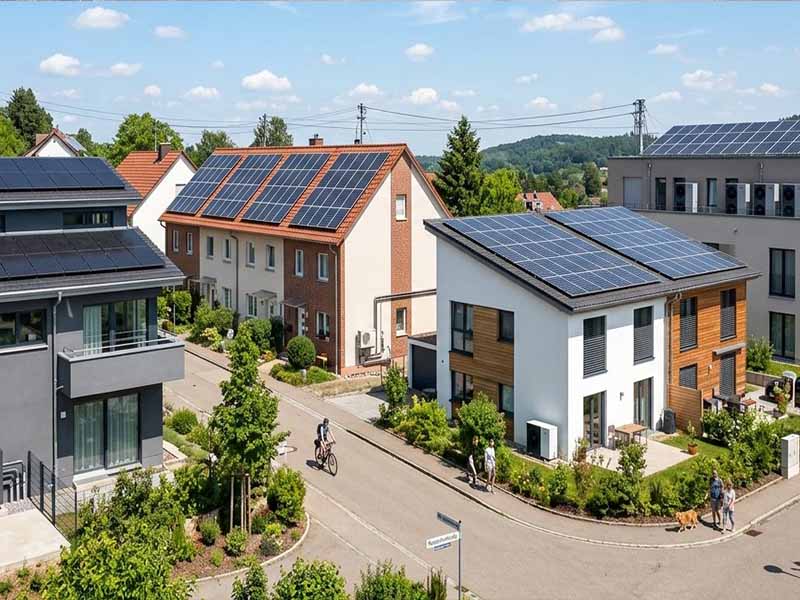
A poorly selected or low-quality mounting system can drag down power output, trigger frequent failures, and drastically cut project returns.
In this blog, we’ll break down exactly how solar mounting systems influence PV project performance from core operational dimensions, revealing why it is a decisive factor for solar project success.
1. Determines Solar Irradiance Absorption and Core Power Yield
The most direct impact of a mounting system lies in its ability to optimize sunlight utilization, which is the foundation of maximum power generation. PV panel output is highly dependent ontilt angle, azimuth orientation, and shading control—all precisely controlled by the mounting structure.
Professional solar mounting solutions are engineered to match local latitude, seasonal solar altitude, and sunlight trajectory. Data shows that a mere 10-degree error in tilt angle can reduce annual power yield by 2%–4%, while a 30-degree azimuth deviation may cause a 5%–10% production loss. For residential and commercial fixed-tilt systems, customized bracket angles ensure panels capture the maximum solar irradiance throughout the year. For large ground-mounted power stations, adjustable and tracking mounting systems further boost energy output.
Single-axis tracking mounts can increase annual power generation by around 22%, while dual-axis trackers deliver up to 39% higher yield compared to improperly fixed horizontal installations. Additionally, a scientific mounting layout optimizes row spacing and panel arrangement, eliminating mutual shading between arrays and minimizing soiling accumulation, which effectively reduces generation attenuation caused by shading and dust coverage.
2. Regulates Panel Temperature and Reduces Efficiency Losses
Solar panels are sensitive to temperature changes—their power conversion efficiency drops significantly as operating temperature rises. A well-designed mounting system reserves reasonable ventilation gaps between panels and roofs or ground surfaces, forming continuous air circulation to dissipate heat quickly.
Poor mounting designs with cramped, gapless layouts lead to accumulated heat, causing panels to overheat in hot summer weather. This persistent high-temperature operation triggers irreversible efficiency attenuation and shortens panel service life. In contrast, standardized mounting structures optimize airflow, keep modules operating within a reasonable temperature range, and maintain stable conversion efficiency under high-temperature conditions, avoiding invisible power loss caused by thermal overheating.
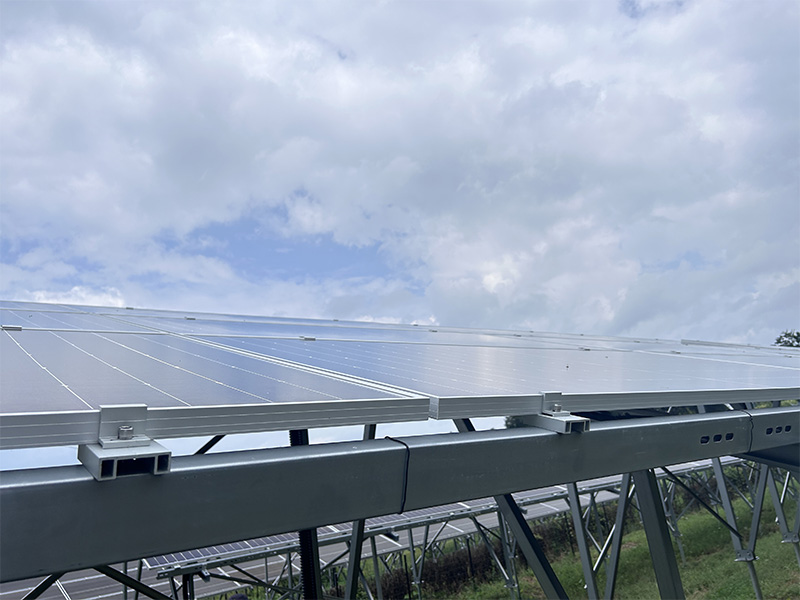
3. Safeguards Long-Term Structural Stability and Consistent Performance
PV projects face long-term exposure to complex outdoor environments, including strong winds, heavy snow, rain erosion, and cyclic temperature changes. The mounting system is the core barrier that resists external loads and maintains overall array stability, directly preventing performance degradation caused by structural displacement.
High-quality mounting systems adopt corrosion-resistant aluminum alloy or hot-dip galvanized steel materials, with structural designs strictly complying with local wind and snow load standards. They effectively resist wind vibration, snow pressure impact, and foundation settlement, ensuring panels remain at the optimal working angle for decades. Inferior brackets are prone to rust, deformation, and loosening under long-term environmental erosion, leading to panel displacement, array tilt, and even partial shutdowns. These structural anomalies cause continuous performance decline and bring potential safety hazards to the entire PV system.
4. Cuts Operational Losses and Reduces Maintenance Downtime
PV project performance is not only reflected in peak power generation but also in stable and continuous operation. A reliable solar mounting system greatly reduces failure rates and maintenance costs, avoiding performance interruptions caused by frequent repairs.
Standardized modular mounting structures feature simple assembly, firm fixation, and strong durability, requiring almost no daily maintenance. Their reasonable structural layout also facilitates regular panel cleaning, inspection, and equipment maintenance, ensuring the system operates at peak efficiency year-round. On the contrary, low-cost, non-standard mounting brackets are prone to component aging, rust failure, and structural looseness, requiring frequent manual inspection, repair, and replacement. Frequent maintenance not only increases operational costs but also leads to unnecessary power generation downtime, reducing the total annual power output of the project.
5. Extends System Lifespan and Optimizes Long-Term
A PV project’s revenue relies on long-term stable operation, and the service life of the mounting system determines the full-cycle performance and return of the entire project. Formal high-performance mounting systems support a 25–30 year service life, perfectly matching the lifespan of solar panels.
Throughout the long operation cycle, qualified brackets maintain stable structural performance and power generation efficiency, ensuring the project sustains consistent revenue output. In contrast, low-quality mounting systems often suffer severe aging and structural damage after 5–10 years of operation, leading to sharp performance decline. In severe cases, overall system replacement is required, which greatly increases secondary investment costs and directly lowers the project’s long-term return on investment.
In short, the mounting system determines thefull-cycle performance ceiling of a PV project, not just the initial installation effect.
Final Verdict: Mounting Systems Define PV Project Value
Many people regard the solar mounting system as a trivial auxiliary component, but in reality, it is the core factor that runs through the entire life cycle of PV project performance. It optimizes sunlight absorption to boost power yield, controls temperature losses to stabilize efficiency, resists environmental risks to maintain structural stability, reduces maintenance losses to ensure continuous operation, and extends service life to maximize long-term returns.
For any residential, commercial, or utility-scale PV project, choosing a scientific, high-quality, and environment-adaptive solar mounting system is not a cost expenditure, but a key investment in stable performance and long-term profits. Only by optimizing the “invisible backbone” can we truly unlock the maximum value of solar photovoltaic projects.