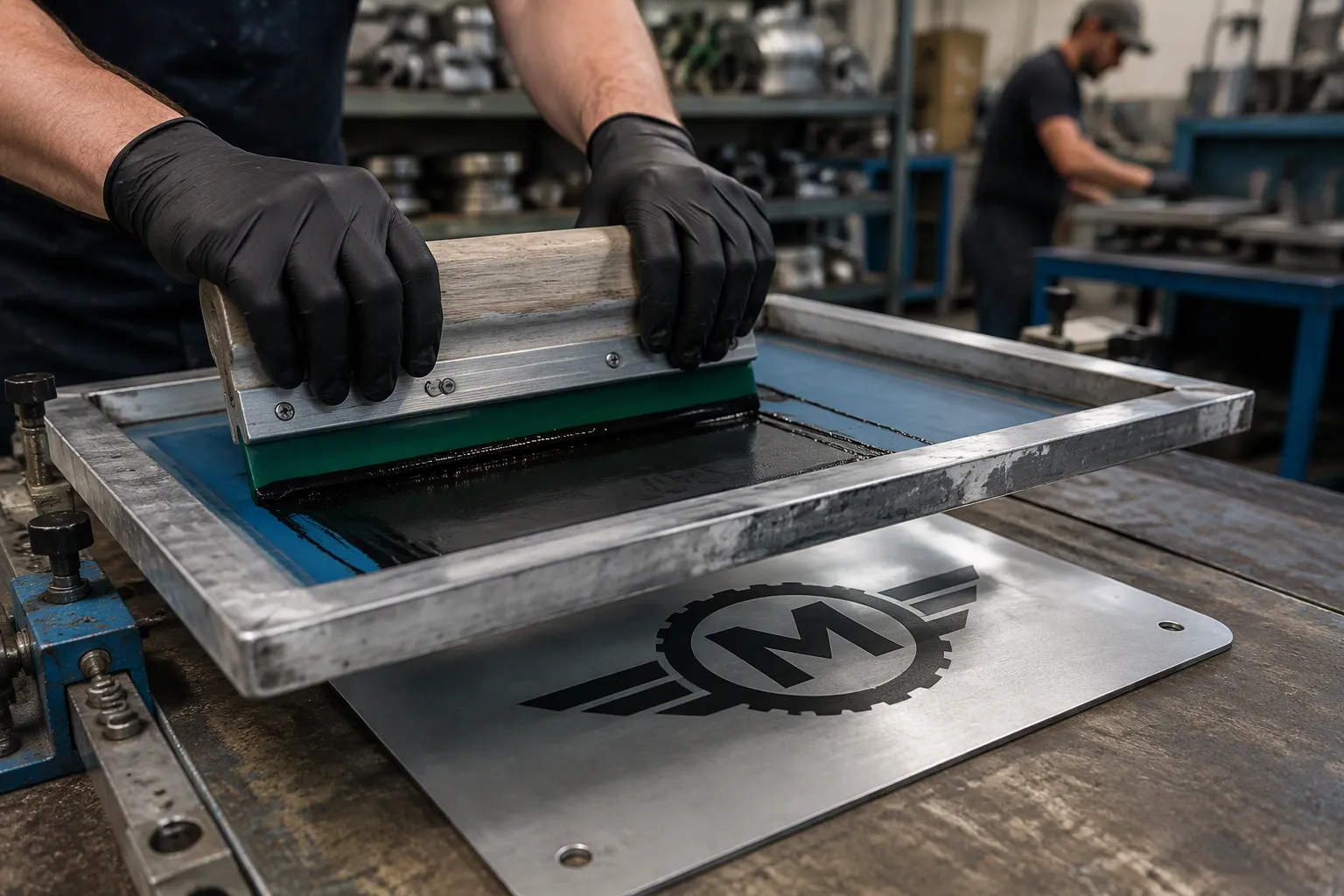
Screen printing, also called silk-screening, presses ink through a porous mesh stencil onto a metal surface. Sheet Metal Finishing Screen Printing follows three steps: you prepare the surface, press ink onto a material through the screen, then heat-cure the ink. The silk-screening process requires solvent-based inks because metal is nonporous, and heat curing bonds the ink for long-lasting results. Silk screen printing on metal and silk screen printing on metals both rely on this durable method.
Key Takeaways
-
Clean the metal surface first to remove oils and dust so ink sticks well.
-
Press ink through a mesh screen, then heat-cure it to bond permanently.
-
Screen printing gives durable, vibrant marks ideal for large batches and outdoor use.
Sheet Metal Finishing Screen Printing Prep
Cleaning and Surface Prep
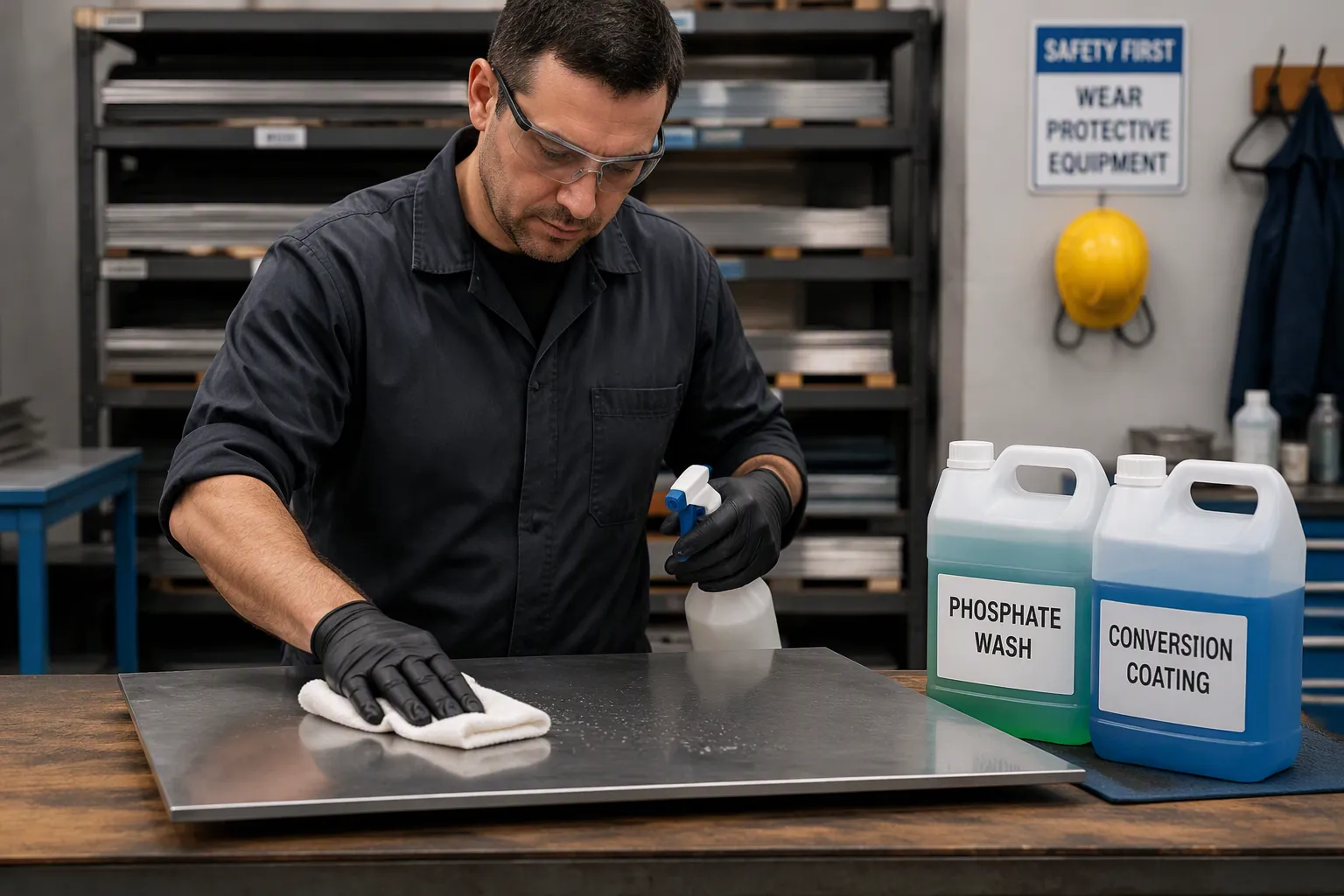
You start every job with cleaning. Oils, dust, and shop contaminants sit on the metal after cutting and handling. These residues block ink adhesion. Proper surface preparation removes them so the ink can bond with the metal.
The specific surface preparation depends on the substrate. Plain, uncoated steel needs a phosphate wash. This step strips manufacturing salts and lightly etches the surface to promote coating adhesion. Aluminum often arrives with a coated printable surface, and enamel-coated aluminum typically passes through conversion coating or passivation first. Treat surface preparation and pretreatments as one continuous step in sheet metal finishing screen printing. Skipping preparation shows up later as peeling ink.
Compatible Metals and Coatings
Screen printing works across a wide substrate range. You can print on aluminum, steel, and coated surfaces. Powder coated sheet metal parts accept durable graphics for panels, branding, and safety instructions. Anodized aluminum offers a hard, porous film that grips ink well and delivers strong visual contrast.
Screen printing and direct-to-substrate printing both work well on fabricated metal components, including powder-coated parts, and the right choice depends on what the graphic needs to do.
Finish compatibility matters here. Screen printing on aluminum, stainless steel, and painted metals all fit within one finishing lineup. Powder-coated finishes typically use polyester applied electrostatically and cured at 350–450°F for 15–20 minutes. Solvent-based thermoset inks then fuse into that hard surface. Check finish compatibility before you commit, because powder coated sheet metal parts and anodized parts each demand a matched ink. Silk-screening integrates with powder coating, anodizing, and e-coating as part of a full finishing lineup for sheet metal parts.
Silk Screen Printing on Metal Step by Step
Screen Fabrication and Ink Application
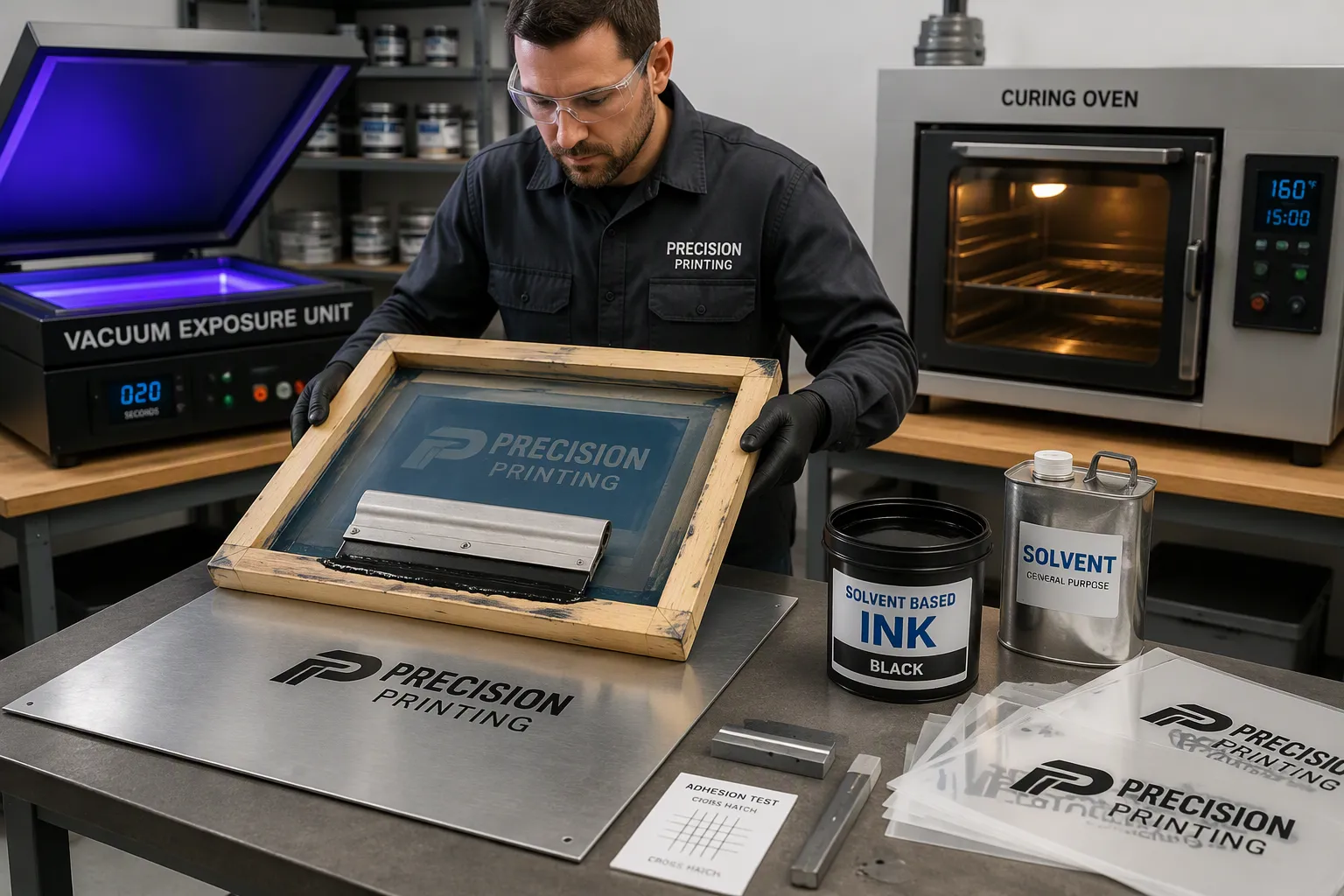
Screen fabrication starts with your artwork files. A technician prints the artwork onto transfer film using a UV-blocking dye. Next, a screen is selected by size and coated with liquid emulsion in a darkroom-like environment. The emulsion-coated screen is baked in an oven to solidify it. The transfer film then goes onto the silkscreen, and both load into a vacuum exposure unit with a digital timer. The unit uses a vacuum seal and UV light to imprint the artwork negative onto the screen. The screen is now ready for printing.
Ink application follows a simple sequence. Ink is poured onto the screen, and a thin layer is dragged across it using a squeegee. The ink is pressed through the mesh screen positioned over the metallic surface, transferring the design onto the sheet metal. For multi-color designs, the process repeats with different inks on the screen. Solvent-based printing inks for metals suit nonporous surfaces, and single- or multi-color printing is supported. These silk screen printing techniques deliver fine detail on dense, smooth metal.
Silk-Screening for Sheet Metal Parts: Curing and Inspection
Heat curing transforms the ink layer. The entire ink layer reaches a temperature threshold, and binders cross-link and fuse permanently to the surface. This chemical process cuts drying from hours to minutes and bonds the ink for durability indoors and outdoors.
|
Curing Stage |
Temperature |
Duration |
|---|---|---|
|
Hotplate curing |
180°C |
1 hour |
|
Annealing (oven) |
300°C |
96 hours |
|
Critical curing temperature (TGA) |
~181.8°C |
— |
Ink must be cured properly so it sets into the surface; if it is not fully cured, it will crack, fall apart, and not last long.
Inspection confirms ink adhesion and durability. ASTM D3359 is the recognized standard for testing adhesive strength of coatings on a substrate. You score the cured ink with a blade, apply certified tape, remove it quickly, and grade adhesion visually from 0B to 5B. Check registration and color consistency at the same time. A properly applied graphic stays bonded to the substrate rather than sitting loosely on top.
Screen Printing on Metal Parts: Benefits and Uses
Advantages and Design Rules
Screen printing on metal parts delivers durable marks that resist abrasion, weather, and UV exposure. The thick ink layer holds fine detail on dense, smooth metal and keeps single- or multi-color graphics vibrant. Screen printing also integrates into assembly workflows, so you mark parts without a separate production stop. Cost favors volume: setup costs spread across large runs and lower the per-unit price, which makes sheet metal finishing screen printing economical for bulk orders.
Design rules protect quality. Each color needs its own stencil, so plan color count early and confirm finish compatibility with your existing coating. Deep recesses are poor candidates because the squeegee cannot seal against the surface.
Applications and Alternatives
You will find screen printing on control panels, enclosures, chassis, safety warnings, technical diagrams, and branding. Industries include electronics, energy storage, power systems, and industrial equipment. An Outdoor Metal Energy Storage Box, for example, carries printed safety labels and connection diagrams that must survive sun and moisture. Silk-screening suits powder coated sheet metal parts and screen printing on aluminum alike.
Laser marking gives permanent monochrome marks at micron precision. Pad printing handles curved surfaces with low consumable cost per part in high volume. Silk screen printing techniques remain relatively inexpensive and less process intensive at the start, and the inks apply firmly and last for years. Choose based on color needs, surface geometry, and batch size.
Screen printing on sheet metal presses ink through a mesh stencil. The silk-screening process depends on surface preparation, solvent-based ink, and heat curing. You clean, print, cure, and inspect. Screen printing delivers durable, vibrant graphics. Plan color count and finish compatibility early. Choose silk-screening when you need lasting marks at volume. Screen printing rewards proper preparation.
FAQ
What makes screen printing durable on metal?
Heat curing fuses solvent-based ink into the metal surface. The cured layer resists abrasion, weather, and UV exposure. Proper preparation and full curing keep the graphic bonded for years indoors and outdoors.
Can you print on battery boxes and enclosures?
Yes. Screen printing marks battery boxes, enclosures, and chassis with safety labels and connection diagrams. OEM Sheet Metal Battery Box Fabrication often includes this step, so you receive parts with graphics already applied and inspected.
How do you check quality after printing?
You test ink adhesion with ASTM D3359 tape testing and grade the result visually. You also confirm color consistency across the run. This sheet metal silk screening faq covers the essentials, and the same checks apply to every silk-screening job. Review this sheet metal silk screening faq before you approve a first article, because screen printing quality depends on preparation and inspection discipline.